



Blog
Furniture Industry in Bangladesh 2026–2031: Forecast & Growth Outlook

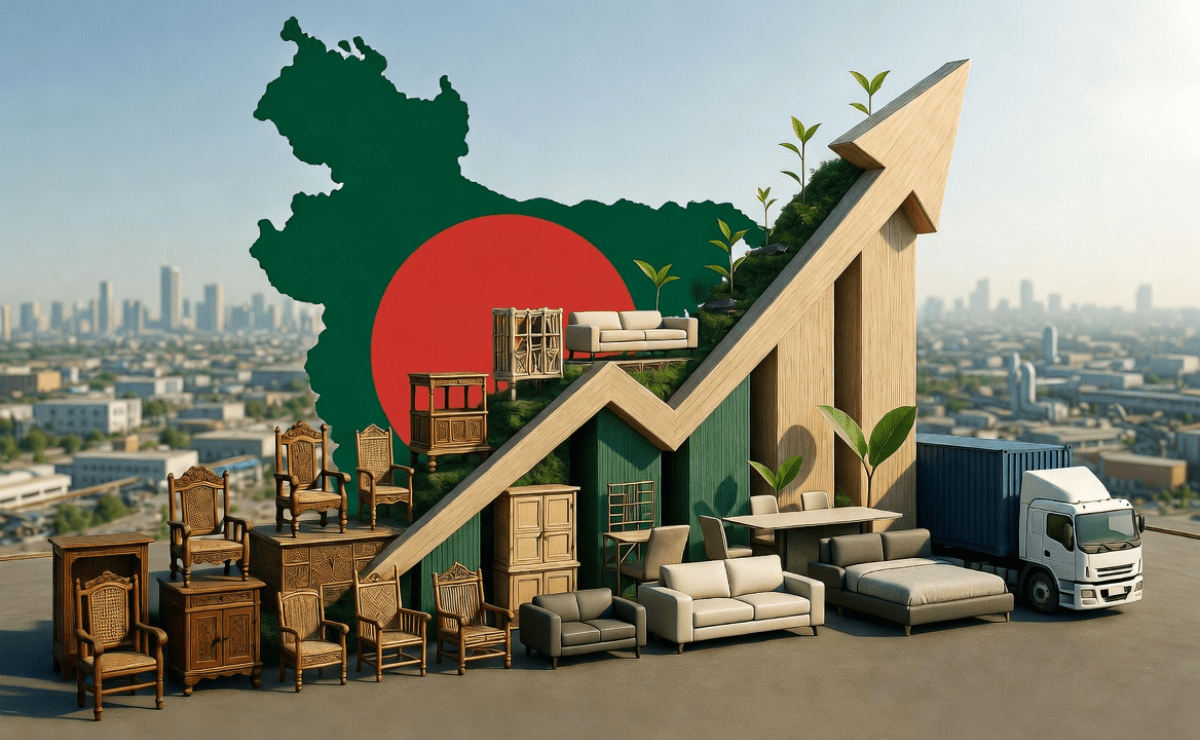
The furniture industry in Bangladesh is positioned for strong, sustained growth between 2026 and 2031, driven by rising urbanization, expanding middle-class demand, and a growing export push. Market reports project that the Bangladesh furniture market will grow at a compound annual growth rate (CAGR) of around 9–10% through 2031, with total revenue expected to exceed US$2 billion by the end of the forecast period.
Market Size and Growth Drivers
Bangladesh’s furniture market is already valued at roughly US$1.9–2 billion in 2025, with steady growth projected into 2031. The residential segment is the largest, followed by office and commercial furniture, hotels, retail spaces, and educational institutions.
Key drivers include:
- Rapid urbanization and housing construction in cities like Dhaka, Chattogram, and Sylhet.
- Higher disposable incomes and a growing middle-class preference for modern, imported-style designs.
- Expansion of IT parks, co-working spaces, and corporate offices, boosting demand for office and modular furniture.
- The rise of e-commerce platforms, which make branded and custom furniture accessible to tier-2 and tier-3 cities.
Residential vs. Office Furniture Trends
Residential furniture is expected to remain the largest segment, as new apartments, gated communities, and renovated homes increase demand for sofas, beds, dining sets, and storage units. Flatpack, space-saving, and modular designs will gain ground as urban housing shrinks in size but rises in price.
The office and home-office furniture segment is projected to grow robustly, with home office desks and chairs alone forecast to reach around US$85–90 million by 2029. Hybrid work models, startup culture, and corporate upgrades will keep demand high for ergonomic chairs, height-adjustable desks, modular workstations, and executive furniture.
Export Potential and Policy Outlook
Bangladesh’s furniture sector is increasingly seen as a future export engine, with industry estimates suggesting the local market is already worth Tk 300 billion (about US$2.7–3 billion) and supports around 2.5 million jobs. Export-focused stakeholders are pushing for policy support, including bond facilities, duty rationalization on imported raw materials, and branding initiatives, to help exports reach US$1 billion by 2030.
Wood-based and engineered-furniture manufacturers are upgrading to international design standards, eco-friendly practices, and certifications to tap into global markets such as Europe, the Middle East, and North America. If the government implements a clear roadmap on tariffs, skills training, and testing facilities, 2026–2031 could mark a “golden phase” for furniture exports.
Sustainability and Modern Materials
By 2031, sustainable and eco-friendly furniture is expected to be a major differentiator. Consumers and corporates will increasingly favor:
- FSC-certified or responsibly sourced wood and engineered boards.
- Recyclable metals and low-VOC finishes that reduce indoor air pollution.
- Modular and upgradable designs that extend product life and reduce waste.
Manufacturers investing early in environment, social, and quality (ESQ)-aligned practices will gain a competitive edge in both domestic and export markets.
Challenges on the Road to 2031
Despite the positive outlook, the sector faces several headwinds:
- Heavy reliance on imported raw materials (wood, metal, hardware), leading to price volatility.
- Competition from low-cost Asian suppliers (e.g., Vietnam, China).
- Lack of strong “Bangladesh as a furniture brand” in global markets and limited certification infrastructure.
To sustain growth, players will need to invest in automation, design innovation, and compliance while working with policymakers to reduce input costs and streamline regulations.
Strategic Opportunities for Local Brands
For local furniture brands and manufacturers, the 2026–2031 window offers several strategic opportunities:
- Expand custom and modular solutions for offices, co-working spaces, and compact homes.
- Build online and omnichannel sales models (e-commerce, social-commerce, and B2B platforms) to reach wider geographies.
- Strengthen export-oriented production lines focused on quality, sustainability, and design-driven differentiation.
Brands that combine ergonomic design, local manufacturing agility, and sustainability messaging are likely to capture a disproportionate share of the growing Bangladesh furniture market by 2031.